Source yoga top for Fitness, Gym, and Yoga Activities
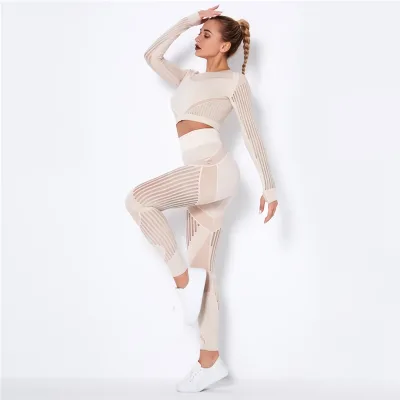
Compare 30 listings of yoga top products featuring automated cutting and quick-drying materials. Buyers can evaluate options with high-waist designs, four-way stretch, and custom logo services from suppliers in Zhejiang and Guangdong.
Key considerations
Products List






Comprehensive Sourcing Guide
Strategic Sourcing Guide for Yoga Tops
Understanding Product Specifications and Technical Attributes
When sourcing yoga tops, buyers must first establish a clear understanding of the technical specifications that define product quality and functionality. The market offers a diverse range of options, but specific attributes consistently appear in high-performance inventory. A primary observation in the current supply landscape is the prevalence of automated cutting techniques. This manufacturing method ensures precision in pattern matching and reduces fabric waste, which is critical for maintaining consistent sizing across large production runs. The standard sizing architecture typically follows a progression of S-M-L-XL, catering to a broad demographic of adult consumers. However, buyers should also verify if "Plus Size" options are available, as this segment represents a significant growth area in the athletic wear market.
Material composition is another non-negotiable specification. The dominant blend observed in reliable inventory is Spandex and Nylon. This combination is selected specifically for its ability to provide four-way stretch, allowing the garment to move with the body during complex yoga poses without losing its shape. The fabric weight is a crucial metric for durability and comfort; a standard weight of 220 grams is frequently cited as a benchmark for a balance between breathability and opacity. Furthermore, the product features often include quick-drying capabilities, moisture-wicking properties, and breathability. These attributes are essential for high-intensity activities like fitness, gym workouts, and dancing, ensuring the wearer remains comfortable throughout the session.
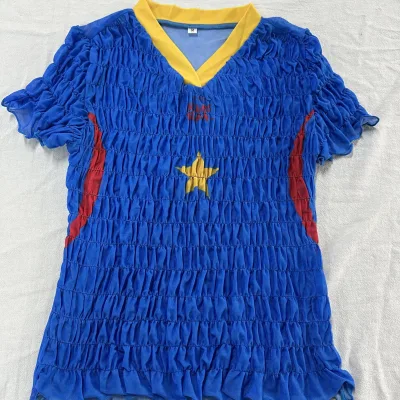
The design and construction details also play a vital role in the final product's appeal. Many suppliers offer a "Pure Colour" or "Solid" pattern type, which provides a versatile canvas for branding. Customization is widely available, with options for custom logos placed on the front, back, left sleeve, right sleeve, lower hem, or back neck. The closure type is predominantly an elastic waist, which offers a secure fit without the need for zippers or buttons that could cause discomfort during floor exercises. Additionally, some listings indicate a "wrinkle" fashion element, suggesting a textured finish that adds visual interest to the garment.
Compliance, Certification, and Quality Standards
In the realm of B2B procurement, compliance and quality assurance are paramount. While specific certification names may vary by supplier, buyers must verify that products meet rigorous safety and quality standards. One critical observation in the supply chain is the implementation of needle detection systems. This process is essential for ensuring that no metal fragments remain in the finished garment, which is a standard requirement for textile products sold in many international markets. The presence of needle detection indicates a commitment to consumer safety and adherence to general product safety regulations.
Buyers should also scrutinize the production standards listed by potential suppliers. For instance, some inventory data references a specific standard weight of 0.3kg, which may serve as a baseline for packaging or product weight verification. However, it is important to distinguish between product weight and packaging weight. The single gross weight of a packaged unit is often recorded at approximately 0.550 kg, which includes the product, polybag, and carton. Understanding these weight metrics is crucial for calculating accurate shipping costs and freight charges.
Regarding material safety, features such as anti-bacterial, anti-odor, and anti-UV properties are increasingly common. These functional claims require verification through third-party testing to ensure they are not merely marketing terms. Buyers should request test reports that validate these claims, particularly for products intended for export to regions with strict textile regulations. The "Made in China" and "Zhejiang" or "Guangdong" origins are common, but the specific factory location does not automatically guarantee quality. Instead, the focus should remain on the factory's internal quality control processes and their ability to maintain consistency in the automated cutting and sewing stages.
Cost Drivers and Pricing Dynamics
The pricing structure for yoga tops is influenced by several key variables, including material costs, customization levels, and order volume. The observed price range in the current market spans from 1.1 to 19.9 USD. This wide disparity is not indicative of a single product tier but rather reflects the complexity of the order. At the lower end of the spectrum, prices likely correspond to standard, non-customized items with minimal branding and basic packaging. Conversely, the higher price points are typically associated with complex customization, such as heat-transfer printing, specific logo placements, and specialized packaging requirements.
Customization is a significant cost driver. The availability of OEM services allows buyers to tailor products to their brand identity, but this process adds to the unit cost. The cost of custom logos, whether printed via heat-transfer or embroidered, varies based on the number of colors and the complexity of the design. Additionally, the choice of packaging impacts the final price. While standard OPP bags are common, options like "1PC/Polybag, 40PC/Carton" or "2PCS/Polybag" involve different labor and material costs. Customized packaging solutions, which may include branded cartons or specific labeling, will further increase the unit price.
Order volume is another critical factor in determining the final cost. The Minimum Order Quantity (MOQ) ranges from 1 to 1000 units. For buyers testing the market, an MOQ of 1 allows for sample verification, but the unit cost will be significantly higher. As the order volume increases, economies of scale come into play, reducing the per-unit cost. Buyers should negotiate based on their projected volume, understanding that larger orders often unlock better pricing tiers and more favorable shipping terms. It is also important to consider the supply type; "in-stock items" may offer immediate availability at a premium, while "OEM service" items require lead time but offer greater flexibility in design.
Typical Applications and Market Segmentation
Yoga tops are designed for a wide array of physical activities, making them versatile products for various market segments. The primary usage categories identified include fitness, gym, yoga, and dancing. This versatility allows buyers to target multiple consumer bases with a single product line. For the fitness and gym segment, the focus is on durability and sweat-wicking capabilities. The fabric must withstand repeated washing and high-intensity movement without degrading. The four-way stretch feature is particularly valuable here, ensuring that the garment does not restrict movement during weightlifting or high-impact cardio.
In the yoga and dancing sectors, the emphasis shifts slightly towards comfort and aesthetics. The breathable and moisture-wicking properties remain essential, but the fit and style become more critical. The "Full Length" and "High Waist" designs are popular in this segment, providing coverage and support during floor exercises. The "Body Shape" feature mentioned in product attributes suggests that these tops are designed to flatter the wearer, which is a key selling point for fashion-conscious consumers. The "Pure Colour" and "Solid" patterns allow for easy coordination with other activewear pieces, making them ideal for complete outfit sets.
The target demographic is primarily adults, but the availability of "Plus Size" options expands the market reach. Buyers should consider the inclusivity of their product line, as the demand for extended sizing is growing rapidly. The "2 Piece Set" configuration, which often includes matching bottoms, is a popular format for this demographic. This bundling strategy can increase the average order value and provide a complete solution for consumers looking to upgrade their workout wardrobe. The "Selling Units" being listed as "Single item" indicates that individual tops are also a viable option for buyers who prefer to mix and match or for retailers looking to stock a variety of SKUs.
Supplier Evaluation and Selection Criteria
Selecting the right supplier is a critical step in the procurement process. Buyers should evaluate potential partners based on their production capabilities, customization options, and reliability. The supply type is a key indicator; "in-stock items" suggest a supplier with immediate inventory, suitable for urgent orders or small batches. In contrast, "OEM Service" indicates a supplier capable of manufacturing custom products, which is ideal for brands looking to build a unique identity. The presence of "Automated Cutting" and "Automated cutting, Other" in the technical attributes suggests a modern manufacturing facility with the capacity for high-volume, consistent production.
Customization capabilities are another vital criterion. Suppliers that offer a wide range of logo positions, including the front, back, sleeves, and hem, provide greater flexibility for branding. The availability of "Customized Packaging" is also a strong indicator of a supplier's ability to meet specific retail requirements. Buyers should verify the supplier's experience with heat-transfer printing and other printing methods to ensure the quality of the branding. Additionally, the "Brand Name: OEM" designation confirms that the supplier is accustomed to working with private label clients, which is essential for B2B relationships.
Reliability and lead times are equally important. While specific lead times may vary, the support for "7 days sample order lead time" is a positive sign of a responsive supplier. Buyers should assess the supplier's ability to handle sample orders efficiently, as this is often the first step in establishing a long-term partnership. The "Needle detection: Yes" attribute is a strong indicator of a supplier's commitment to quality and safety standards. Buyers should also check the supplier's location, with "Zhejiang" and "Guangdong, China" being common hubs for textile manufacturing. Proximity to ports and logistics infrastructure can impact shipping efficiency and costs.
Quality Control and Long-Term Procurement Strategies
Implementing a robust quality control (QC) strategy is essential for maintaining product integrity and brand reputation. The first line of defense is the supplier's internal QC processes, such as needle detection and automated cutting. However, buyers should also establish their own QC protocols, including pre-shipment inspections. These inspections should verify the fabric weight, stitching quality, and the accuracy of the logo placement. The "Single package size" of 24x36x3 cm provides a standard for checking packaging consistency, ensuring that the product fits within the expected dimensions for shipping and retail display.
Long-term procurement strategies should focus on building strong relationships with reliable suppliers. Consistency in material quality, such as the Spandex/Nylon blend, is crucial for maintaining customer satisfaction. Buyers should negotiate contracts that include clauses for quality assurance, ensuring that any deviations from the agreed-upon specifications are addressed promptly. The ability to scale production is another consideration; suppliers with the capacity to handle orders ranging from 1 to 1000 units offer the flexibility needed to grow a business without frequent supplier changes.
Sustainability and ethical sourcing are becoming increasingly important in the B2B market. While specific certification details may not be explicitly listed in the product data, buyers should inquire about the supplier's environmental practices and labor standards. The use of "Anti-Bacterial" and "Anti-Odor" treatments often involves chemical processes, and buyers should ensure these are applied in compliance with environmental regulations. By prioritizing suppliers who demonstrate a commitment to quality, safety, and ethical practices, buyers can build a resilient supply chain that supports long-term growth and brand loyalty.
Final Procurement Considerations and Summary
In summary, sourcing yoga tops requires a balanced approach that considers technical specifications, cost drivers, and supplier reliability. The market offers a wide range of options, from standard in-stock items to fully customized OEM products. Buyers must carefully evaluate the material composition, ensuring the use of Spandex/Nylon blends with appropriate fabric weights and functional features like four-way stretch and moisture-wicking. Compliance with safety standards, such as needle detection, is non-negotiable for maintaining product quality and consumer trust.
Cost management involves understanding the variables that influence pricing, including customization, packaging, and order volume. By leveraging the flexibility of MOQs and negotiating based on projected volumes, buyers can optimize their procurement costs. The diverse applications of yoga tops, spanning fitness, gym, yoga, and dancing, offer opportunities to target multiple market segments. Selecting a supplier with strong customization capabilities, modern manufacturing techniques, and a commitment to quality control is essential for long-term success.
Ultimately, the success of a yoga top procurement strategy depends on thorough due diligence and clear communication with suppliers. By focusing on the key attributes identified in this guide, buyers can source high-quality products that meet the demands of the modern athletic wear market. The combination of technical precision, cost efficiency, and reliable supply chain management will position buyers to thrive in a competitive landscape.
FAQs
What materials are used for these yoga tops?
The yoga tops are primarily made from a Spandex and Nylon blend. This combination provides four-way stretch and ensures the garment moves with the body during activities like fitness and dancing without losing its shape.
Can I customize the logo placement on the tops?
Yes, customization is available with options for logo placement on the front, back, sleeves, lower hem, or back neck. Buyers can also choose from various printing methods like heat-transfer printing to match their brand identity.
What is the typical lead time for sample orders?
A 7-day sample order lead time is supported for these products. This allows buyers to verify quality and specifications before committing to larger production runs under the OEM service model.
Which features make these tops suitable for high-intensity workouts?
These tops feature quick-drying, moisture-wicking, and breathable properties to handle sweat during gym and yoga sessions. Additional attributes include anti-bacterial, anti-odor, and anti-UV capabilities for enhanced comfort and durability.
What is the minimum order quantity for these items?
The minimum order quantity ranges from 1 to 1000 units depending on the specific supplier and customization needs. Lower MOQs allow for sample testing, while higher volumes often unlock better pricing tiers.
How are these yoga tops packaged for shipment?
Packaging options include OPP bags, 2PCS per polybag, or 1PC per polybag with 40PC per carton. Customized packaging solutions are also available to meet specific retail requirements and branding needs.
Are these tops available in plus sizes?
Yes, the product attributes list Plus Size as an available feature alongside standard S-M-L-XL sizing. This ensures the inventory caters to a broader demographic of adult consumers seeking inclusive fit options.